Contact
art book cologne GmbH & Co. KG
Deutzer Freiheit 107
50679 Köln
Germany
Opening hours (office and showroom):
Monday to Friday 8 – 17
info@artbookcologne.de
Phone: +49 221 800 80 80
Fax: +49 221 800 80 82
About us
art book cologne, founded by Bernd Detsch in 1997, is a wholesale company and specializes in buying and selling high quality publications in art, art theory, architecture, design, photography, illustrated cultural history and all related subjects internationally. Our team includes specialists in art, culture, music, book trade and media but in spite of our diversity we have one common ground: the enthusiasm for unique art books.
We purchase remaining stocks from museums, publishers and art institutions. We sell these remainders to bookstores, museum shops, and art dealers all over the world.
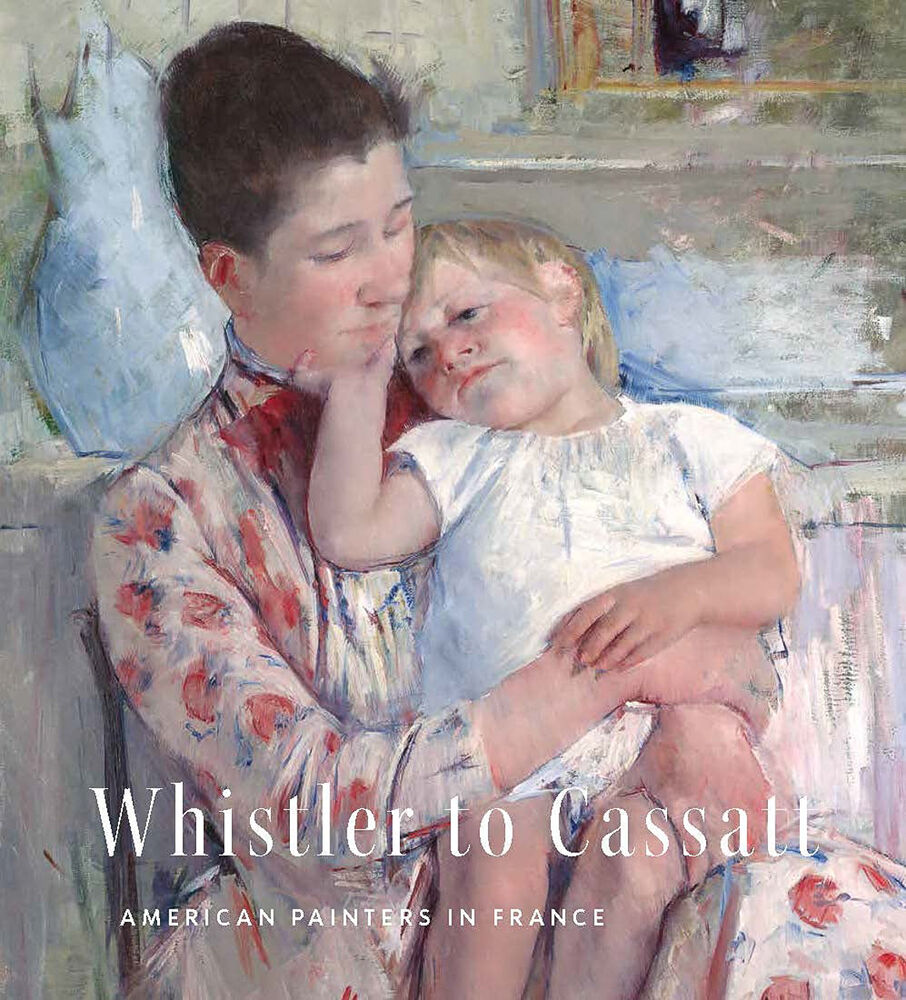
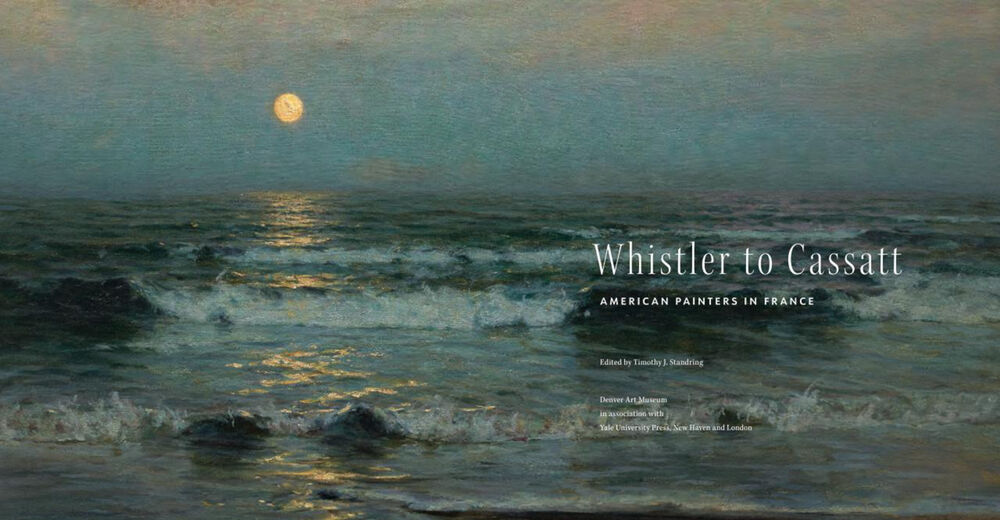
Whistler to Cassatt
| Publisher | Yale University Press |
| Year | 2021 |
| Cover | Cloth with dust jacket |
| ISBN | 978-0-300-25445-7 |
| Pages | 256 |
| Weight | 1780 g |
| More | |
| Author(s) | Timothy J. Standring |
| Contributors | Emmanuelle Brugerolles, Benjamin Colman, Randall C. Griffin et al. |
| Type of book | Exhib'publication |
| Museum / Place | Denver Art Museum |
| Article ID | art-64319 |
A revelatory look at an underexplored chapter of American art, which took place not on American soil but in France.
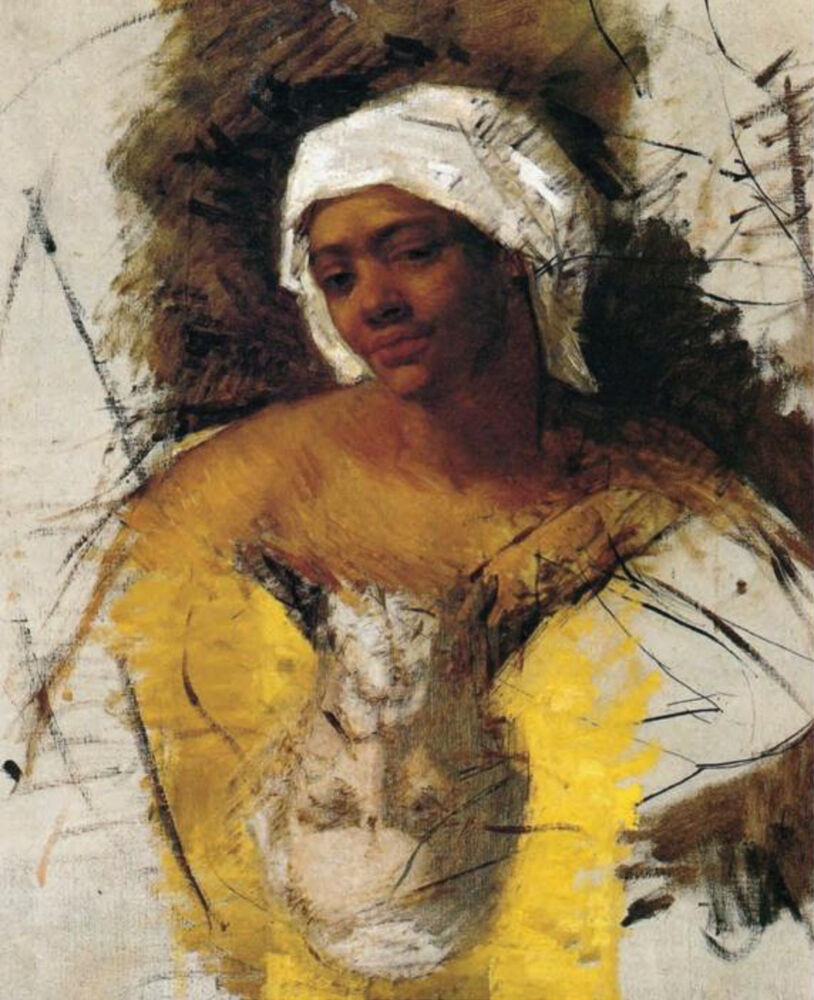
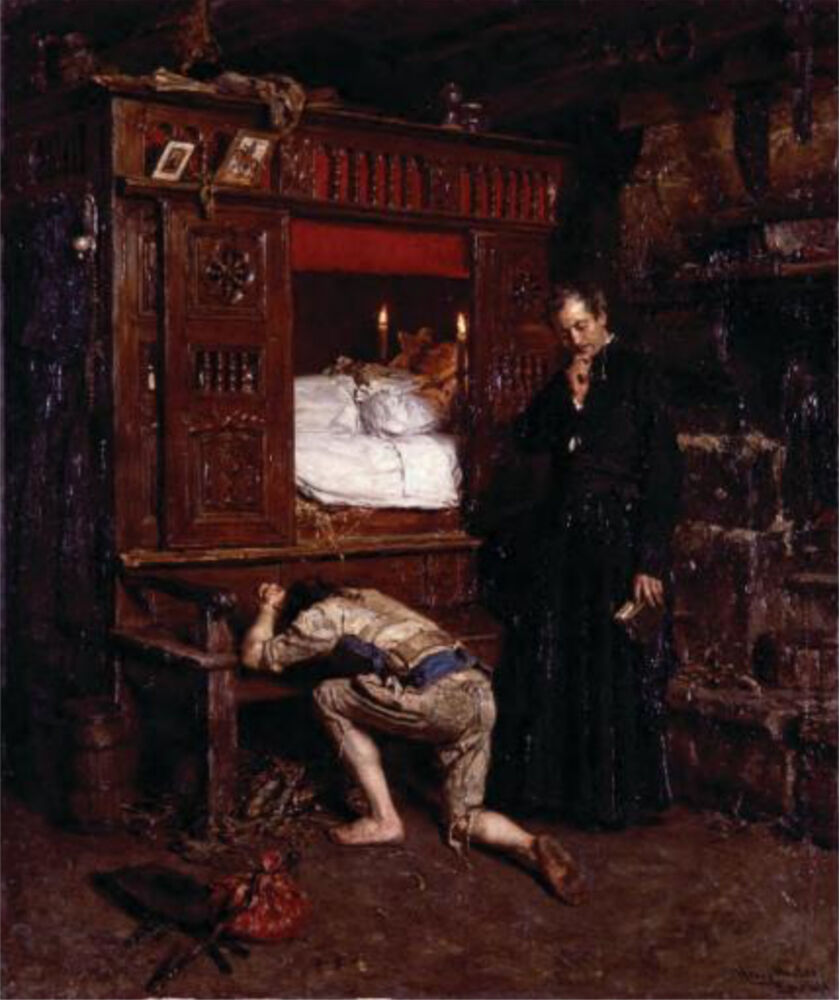
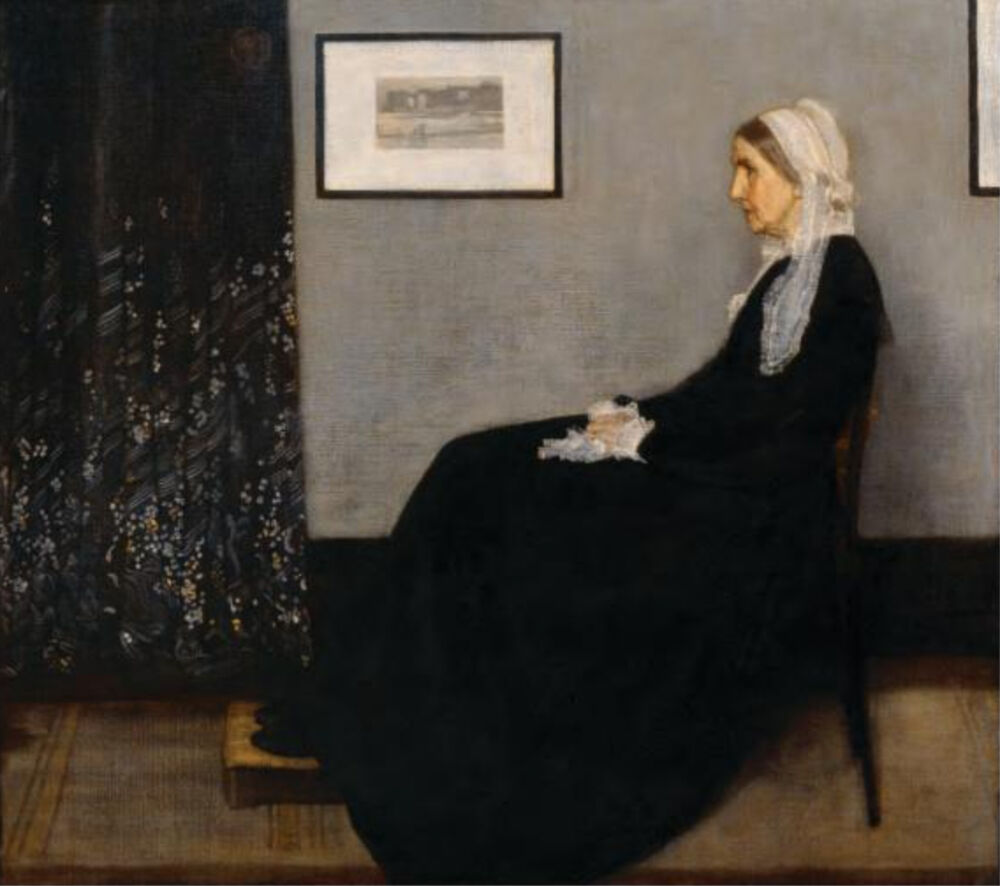
In the late nineteenth and early twentieth centuries, American artists flocked to France in search of instruction, critical acclaim, and patronage. Some, including James McNeill Whistler, John Singer Sargent, and Mary Cassatt, became highly regarded in the French press, advancing their careers on both sides of the Atlantic. Others, notably William Merritt Chase, John Twachtman, Childe Hassam, and Thomas Wilmer Dewing—part of the association known as The Ten—found success working in the style of the French Impressionists, while Henry Ossawa Tanner, Cecilia Beaux, and Elizabeth Jane Gardner focused on genre and history subjects.
This richly illustrated volume offers a sophisticated examination of cultural and aesthetic exchange as it highlights many figures, including artists of color and women, who were left out of previous histories. Celebrated scholars from both American and French institutions detail the complex history and diverse styles of these expatriate artists—styles ranging from conservative academic modes to Tonalism—and provide original perspectives on this fertile period of creativity, expanding our understanding of what constitutes American art.